
How Much Does It Cost to Wrap a Tesla? Model 3, Model Y, Model S Pricing Guide 2026
Complete Tesla wrap cost guide: Model 3 $2,500-$4,500, Model Y $3,000-$5,500, Model S $2,800-$5,500. Unique EV considerations, popular colors, and what Tesla owners need to know.

Tesla Wrap Pricing Summary
Model 3: $2,500-$4,500 (mid-size sedan category)
Model Y: $3,000-$5,500 (compact SUV category)
Model S: $2,800-$5,500 (large sedan category)
Model X: $4,500-$7,500 (full-size SUV category)
Prices vary by film quality, installer expertise, and region. Tesla's aluminum body panels and sleek curves require experienced installers familiar with EV-specific considerations.
Tesla Wrap Cost by Model
Tesla wrap pricing follows standard vehicle size categories, with some unique considerations for EV-specific features.
| Tesla Model | Budget Tier | Mid-Range | Premium |
|---|---|---|---|
| Model 3 (mid-size sedan) | $2,500-$3,000 | $3,000-$3,800 | $3,800-$4,500 |
| Model Y (compact SUV) | $3,000-$3,500 | $3,500-$4,500 | $4,500-$5,500 |
| Model S (large sedan) | $2,800-$3,500 | $3,500-$4,500 | $4,500-$5,500 |
| Model X (full-size SUV) | $4,500-$5,500 | $5,500-$6,500 | $6,500-$7,500 |
Budget tier = economy film, basic install. Mid-range = quality film (3M/Avery), certified installer. Premium = top-tier film, Tesla-experienced installer, extended warranty. Regional pricing varies ±15%.
Why Tesla Owners Choose Wraps
Tesla owners wrap their vehicles at higher rates than traditional car owners. Here's why:
Paint Protection (Tesla Paint Quality Concerns)
Tesla paint has been criticized for thin factory coats and susceptibility to rock chips. Many Model 3 and Model Y owners report chips appearing within months of ownership. Wraps provide a protective barrier against rock chips, bug splatter, bird droppings, and tree sap — all of which can etch into Tesla's soft paint. The wrap takes the damage instead of your paint.
Color Customization (Limited Factory Options)
Tesla offers only 5-6 factory colors, with premium colors costing $1,000-$2,500 extra. Wraps provide unlimited color possibilities — matte black, satin white, deep blue, color-shift finishes — for comparable or lower cost than Tesla's premium paint upgrades. Many owners choose wraps over expensive factory colors like Multi-Coat Red ($2,500) or Ultra Red ($3,000).
Resale Value Preservation
Tesla resale values remain strong, but paint condition significantly impacts price. A wrap preserves pristine factory paint underneath, allowing you to remove the wrap before sale to reveal showroom-condition paint. Buyers pay premium for well-maintained Teslas. Many owners wrap immediately after purchase to lock in perfect paint condition for future resale.
Ceramic Coating Protection
Some Tesla models come with factory ceramic coating, an expensive finish that enhances gloss and water beading. Wraps protect this ceramic coating from UV damage and environmental wear. Instead of reapplying ceramic coating every 2-3 years ($800-$1,500), the wrap preserves the original coating underneath for years.
Lease Vehicle Customization
Many Teslas are leased, and wraps provide a fully reversible way to customize a lease vehicle. Professional removal before lease return reveals pristine paint — often in better condition than unwrapped leases thanks to UV and impact protection. This allows you to enjoy a custom color for 3 years without permanent modification concerns.
Unique Tesla Wrapping Considerations
Tesla vehicles require specialized knowledge and techniques compared to traditional gas vehicles. Choose installers with Tesla experience.
Aluminum Body Panels vs. Steel
Tesla uses aluminum body panels on Model S and Model X, with a mix of aluminum and steel on Model 3 and Model Y. Aluminum requires different adhesive primers and application techniques compared to steel panels. Improper technique can cause adhesion failure (bubbles, lifting edges). Experienced installers know which panels are aluminum and adjust their process accordingly. Ask your installer if they're familiar with Tesla's aluminum construction before booking.
Sleek Aerodynamic Design (Complex Curves)
Tesla's aerodynamic efficiency comes from complex compound curves and smooth body transitions. These curves are beautiful but challenging to wrap — vinyl must stretch and conform perfectly without wrinkles or air bubbles. The Model 3 and Model Y have particularly smooth, flowing lines with minimal body gaps. Inexperienced installers may create visible seams or imperfect edges. Premium installers charge more for Teslas specifically due to this complexity, but the results are worth it.
Flush Door Handles (Model S & Model X)
Model S and Model X feature retractable flush door handles that automatically extend when you approach. Wrap material must be carefully applied around handle mechanisms to avoid interference with handle movement. Improper wrapping can cause handles to stick or fail to extend. Installers must disassemble or work around handles carefully. This adds $200-$400 to wrap cost compared to Model 3/Y with traditional handles.
Glass Roof Considerations
All Tesla models feature large glass roofs (panoramic or all-glass on some models). Extensive glass means fewer metal surfaces to wrap, but also means wrap edges are more visible from above. Quality installers hide wrap edges beneath glass seals and weatherstripping. The glass roof also creates more complex edge transitions that require expert trimming. Some owners choose to wrap the roof pillars (A/B/C pillars) for seamless appearance.
Minimalist Aesthetic Preservation
Tesla's design philosophy emphasizes minimalism and clean lines. Visible seams, overlapping film edges, or imperfect transitions ruin this aesthetic. Expert installers use seamless techniques — full-panel wrapping, hidden edge tucking, and color-matched seams — to maintain the minimalist look. Budget installers may use more visible seams and overlaps that clash with Tesla's design language. Pay for quality installation to preserve the visual harmony.
Undercarriage Visibility (No Engine Bay)
Unlike gas cars, Tesla's frunk (front trunk) has no engine — just a storage compartment with painted surfaces visible when opened. Quality wrap jobs include frunk edges and visible undercarriage components. Budget installers may skip these areas, leaving white paint visible in a black-wrapped car. Ask if frunk edges and undercarriage panels are included in the quote. This attention to detail separates amateur from professional Tesla wraps.
Thermal Management & Battery Heat
Tesla's battery pack generates heat during charging and driving. Dark wraps (especially matte black) can increase surface temperature, though not enough to damage the battery or wrap. However, some installers recommend lighter colors in extreme heat climates (Arizona, Nevada, Texas) to minimize heat absorption. PPF (clear protection film) is thermally neutral and doesn't affect battery thermal management. If you live in desert heat and want dark wrap, expect slightly higher cabin temps in summer.
Popular Tesla Wrap Colors & Finishes
Tesla owners gravitate toward specific colors that complement the minimalist design and EV aesthetic.
1. Matte Black (Most Popular)
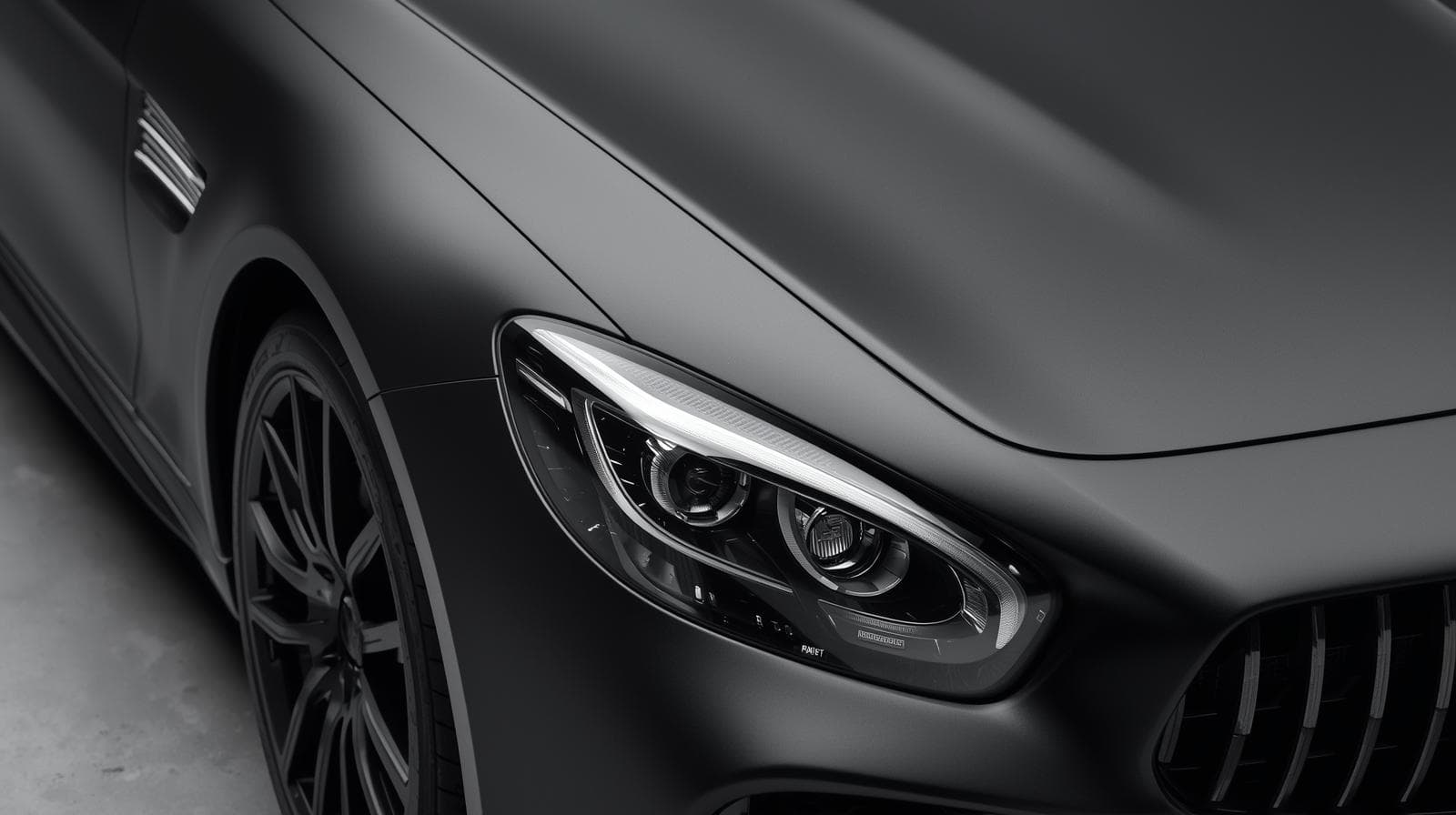
Why it's popular: Matte black is the #1 Tesla wrap choice. Paired with chrome delete, it creates the "murdered-out" look that complements Tesla's futuristic design. Matte finishes hide dirt and minor imperfections better than gloss.
Cost: $2,500-$5,500 depending on model (standard matte pricing)
Considerations: Requires matte-specific cleaning products. Shows swirl marks if improperly maintained. Consider ceramic coating ($500-$1,000) for easier cleaning.
2. Satin White (Clean Minimalist)
Why it's popular: Satin white enhances Tesla's minimalist aesthetic without the maintenance challenges of gloss white or matte black. It's modern, clean, and doesn't show dirt as easily as black. Popular alternative to Tesla's Pearl White Multi-Coat.
Cost: $2,500-$5,500 (standard pricing)
Considerations: Easier to maintain than matte black. Hides minor scratches better. Excellent choice for hot climates (reflects heat better than dark colors).
3. Stealth PPF (Invisible Protection)
Why it's popular: Many Tesla owners prioritize protection over color change. Stealth PPF is clear paint protection film that preserves factory color while providing self-healing protection from rock chips. Popular for rare colors like Tesla's Multi-Coat Red.
Cost: $4,000-$7,000 for full vehicle (30-50% more than vinyl wrap)
Considerations: Best protection available. Self-healing scratches. Maintains resale value. No color change. Popular partial option: PPF front clip ($1,500-$3,000) + vinyl wrap rest of car.
4. Satin Gray (Modern Sophistication)
Why it's popular: Satin gray (Nardo gray, battleship gray) provides a sophisticated middle ground between black and white. Popular among Model S and Model X owners who want understated luxury. Less common than black/white, offering uniqueness without being flashy.
Cost: $2,500-$5,500 (standard pricing)
Considerations: Excellent heat management (reflects more than black, less sterile than white). Hides dirt well. Pairs beautifully with black chrome delete.
5. Deep Blue (Performance Models)
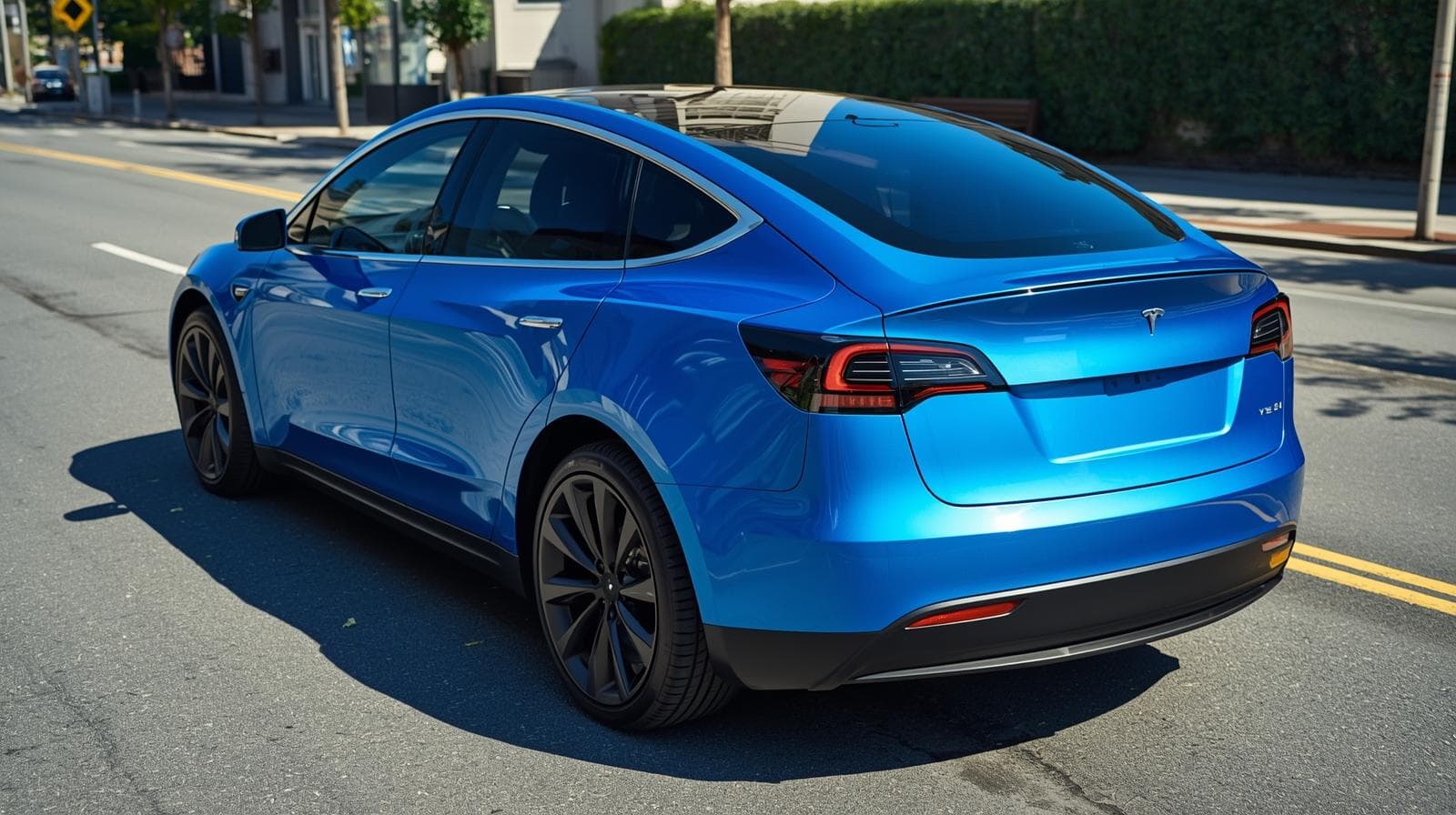
Why it's popular: Deep blue wraps (midnight blue, satin dark blue) are popular among Model 3 Performance and Model S Plaid owners. Blue maintains Tesla's futuristic vibe while adding personality. Alternative to Tesla's discontinued blue colors.
Cost: $2,500-$5,500 (standard pricing, no premium for color)
Considerations: Darker blues hide dirt well. Lighter blues show more imperfections. Satin finish is most popular for blue Teslas.
6. Color-Shift / Chrome (Show Cars)
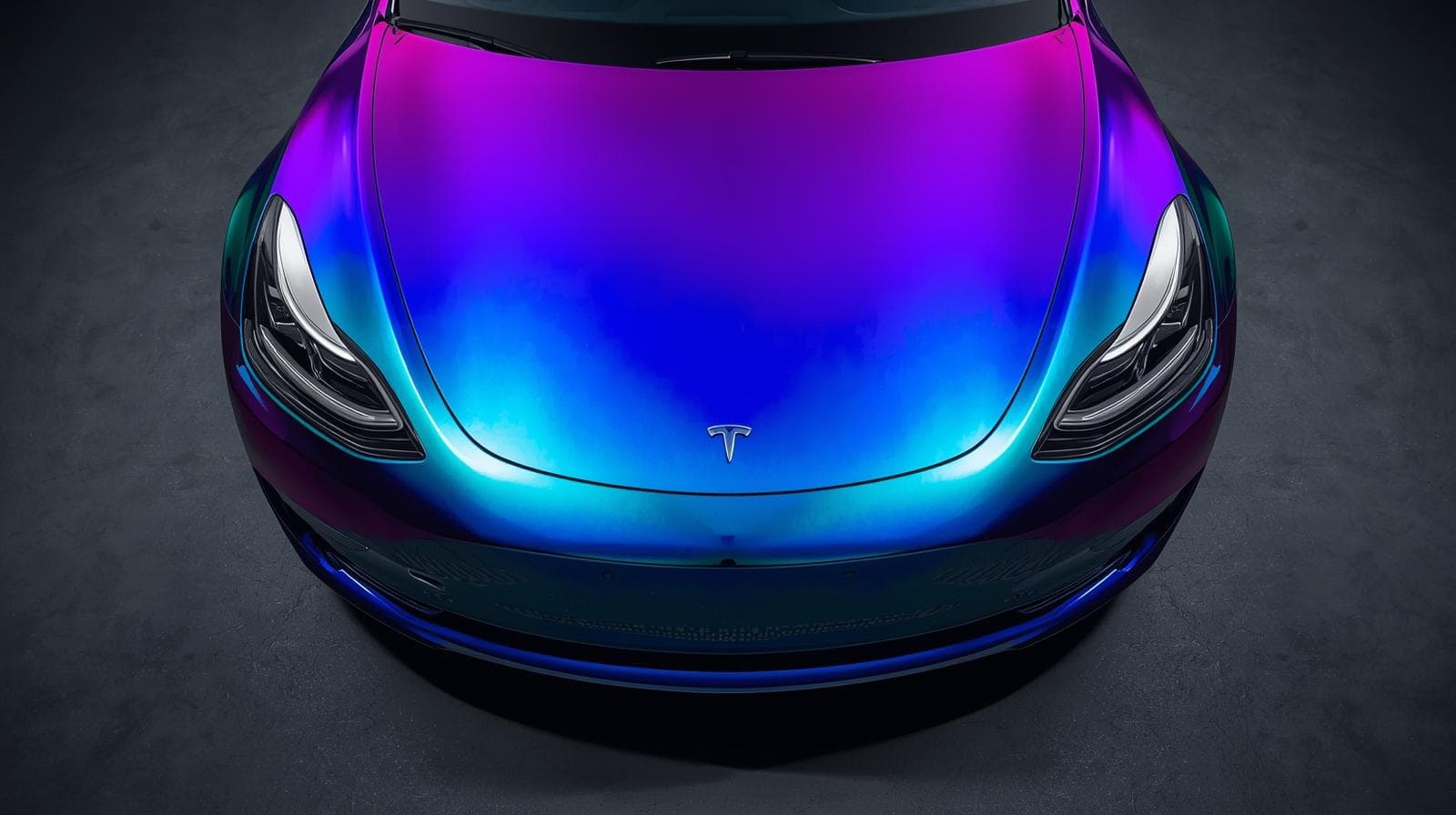
Why it's popular: Color-shift wraps (changes color with viewing angle) and chrome finishes are popular for show Teslas and social media attention. These bold finishes embrace Tesla's futuristic identity taken to the extreme.
Cost: $4,000-$8,000+ (premium finishes add 30-50% to standard pricing)
Considerations: Attention-grabbing. May be illegal in some jurisdictions (check local laws on reflective finishes). More expensive. Shorter lifespan (3-5 years vs 5-7 for standard wraps).
Model 3 vs Model Y Wrap Cost Comparison
Model 3 and Model Y share similar designs but differ in size. Here's how that impacts wrap pricing:
| Factor | Model 3 | Model Y |
|---|---|---|
| Vehicle category | Mid-size sedan | Compact SUV |
| Surface area | ~270-290 sq ft | ~310-330 sq ft |
| Material required | 60-70 feet (5ft wide roll) | 70-80 feet |
| Installation time | 2-3 days | 2.5-3.5 days |
| Mid-range cost | $3,000-$3,800 | $3,500-$4,500 |
| Price difference | Model Y costs $500-$700 more (15-20% premium) | |
| Complexity | Similar curves and body lines | Slightly taller body, more surface area |
Popular Wrap Choices by Model
Model 3 owners prefer:
- • Matte black (sportier look)
- • Deep blue (performance models)
- • Stealth PPF (preserve resale)
Model Y owners prefer:
- • Satin white (family-friendly)
- • Satin gray (sophisticated)
- • Two-tone roof wraps (accent)
PPF vs Vinyl Wrap for Tesla Owners
Tesla owners frequently choose paint protection film (PPF) due to paint quality concerns. Here's the breakdown:
PPF (Paint Protection Film)
Purpose: Maximum protection, keep factory color
- Cost: $4,000-$7,000 full vehicle (Model 3/Y)
- Lifespan: 7-10 years with self-healing properties
- Protection: Prevents rock chips, scratches, bug etch, tree sap
- Appearance: Clear/invisible, preserves factory color
- Best for: Long-term ownership, resale value, exotic paint colors
Vinyl Wrap
Purpose: Color change, aesthetic customization
- Cost: $2,500-$5,500 full vehicle (Model 3/Y)
- Lifespan: 5-7 years (premium films 7-10 years)
- Protection: Light scratches, UV damage (minimal rock chip protection)
- Appearance: Unlimited colors/finishes (matte, gloss, chrome, color-shift)
- Best for: Color change, lease vehicles, budget-conscious
Popular Combination: PPF Front Clip + Vinyl Wrap
Many Tesla owners choose this hybrid approach for maximum protection and color customization:
Strategy: PPF on front bumper, hood, fenders, and mirrors (high rock chip areas). Vinyl wrap on remaining panels for color change.
Cost: $1,500-$3,000 (PPF front clip) + $2,000-$3,500 (vinyl rest of vehicle) = $3,500-$6,500 total
Result: Maximum protection where needed, full color change, and better value than full PPF. See our PPF vs Vinyl comparison guide for detailed analysis.
Hidden Costs & Tesla-Specific Add-Ons
Tesla wraps have unique add-ons beyond standard wrap pricing. Budget for these extras:
Chrome Delete: +$300-$800
Tesla chrome trim (window trim, door handles, badges) stands out on wrapped vehicles. Chrome delete (wrapping chrome in black or color-matched vinyl) is almost mandatory for cohesive appearance. Model 3/Y have less chrome ($300-$500). Model S/X have more chrome ($500-$800). Many installers bundle chrome delete at discounted rates with full wraps.
Door Jambs & Frunk: +$200-$400
Standard quotes often exclude door jambs (visible when doors open) and frunk interior edges. If wrapping white Tesla black, white jambs will be obvious. Tesla's frunk has no engine — just painted surfaces that need wrapping for complete appearance. Ask if door jambs, frunk edges, and trunk jambs are included in the quote.
Ceramic Coating for Wrap: +$500-$1,500
Ceramic coating over your wrap adds hydrophobic properties (water beading), easier cleaning, and extended lifespan (1-2 years longer). Highly recommended for matte wraps which are harder to clean. Many Tesla owners ceramic coat their wraps immediately for maximum protection. Budget $500-$1,000 for professional ceramic coating. See our ceramic coating guide.
Tesla-Specific Prep Work: +$100-$300
Some Tesla-specific tasks add cost: Sensor recalibration after wrap (if sensors are removed/covered), flush handle adjustment (Model S/X), and aluminum panel primer application. Experienced Tesla installers include this in their quote, but budget shops may add these as surprises. Get detailed written quotes specifying what's included.
Future Removal Cost: +$500-$800
Professional wrap removal costs $500-$800 when you're ready to sell or change colors. Never DIY remove old wrap — improper removal can damage Tesla's soft paint. For leased Teslas, budget for professional removal before lease return. Removal typically takes 1-2 days and includes adhesive removal and paint decontamination.
Finding Tesla Wrap Installers
Not all wrap shops have Tesla experience. Here's what to look for when choosing your installer:
Ask for Tesla-specific portfolio
Request photos of previous Tesla wraps they've completed. Look for clean edges, hidden seams, and proper door handle/trim integration. Instagram and social media are good places to verify their Tesla work. Red flag: shops with no Tesla examples in their portfolio.
Verify aluminum panel experience
Ask directly: "Do you have experience with Tesla's aluminum body panels?" Shops familiar with Tesla know which models use aluminum and adjust their primer/technique accordingly. Inexperienced shops may not know Teslas use aluminum, leading to adhesion failures.
Check for 3M or Avery certification
Certified installers (3M Preferred, Avery Certified) have proven competency and offer manufacturer warranties. While Tesla-specific experience is more important than certification alone, certified installers tend to have better quality control. Ideal: certified installer with Tesla experience.
Read Tesla owner reviews
Search "[shop name] Tesla wrap" in Google, Yelp, and Reddit to find reviews from Tesla owners. Tesla-specific reviews reveal if shop understands EV-specific challenges. Common complaints: visible seams, door handle issues, or adhesion failure indicate lack of Tesla experience.
Ask about warranty coverage
Quality Tesla installers offer 1-3 year installation warranties covering bubbles, lifting edges, and adhesion failures. Ask: "What specific warranty do you offer on Tesla wraps?" and "What voids the warranty?" Get warranty terms in writing. Red flag: shops with no warranty or vague "satisfaction guarantee".
Inquire about curing time
Professional installers keep your Tesla 24-48 hours after wrap completion for proper curing in controlled temperature environment. Budget shops rush completion and return vehicle same day, leading to lifting edges and adhesion issues. Ask: "How long will you keep my Tesla for curing?"
Get detailed written quotes
Tesla wraps have many potential add-ons (chrome delete, door jambs, frunk edges). Get written quote specifying: film brand, door jambs inclusion, chrome delete, frunk coverage, warranty terms, and total timeline. Compare 3-5 quotes before deciding. Beware quotes 30%+ below others.
Visit shop in person if possible
Check for climate-controlled workspace (temperature/humidity stability prevents adhesion issues), cleanliness (dust-free environment), and professionalism. Many top Tesla wrap shops are by appointment only with dedicated bays for wrapping. Red flag: outdoor wrapping or dirty garage-style shops.
Related Guides
Car Wrap Cost Guide 2026
Complete pricing breakdown by vehicle type, quality tier, and region. Compare Tesla to other vehicles.
PPF vs Vinyl Wrap Comparison
Protection vs aesthetics. Complete cost and lifespan comparison for Tesla owners.
How to Choose a Car Wrap Installer
Red flags, certifications that matter, and what to look for before you commit.
Ceramic Coating for Wraps
Add protection and easier cleaning to vinyl wraps with ceramic coating.
Find car wrap installers near you
Compare rated shops and get free quotes in the largest markets on CarWrapHub.